Xomai Font: Elevate Small Business Branding
As a small business owner, every visual touchpoint matters. From the logo on your website header to the sticker sealing your shipping box, typography communicates your brand’s personality before a customer even reads your copy. Finding a typeface that balances artistic flair with commercial usability is often a challenge, especially when working within a budget. Xomai is a modern and fancy handwritten font that bridges this gap, offering a sophisticated script aesthetic that feels personal yet polished. For entrepreneurs in creative industries, this typeface provides an accessible way to establish a distinct visual identity across packaging, social media, and marketing materials without sacrificing professionalism.
Defining the Xomai Aesthetic for Commercial Use
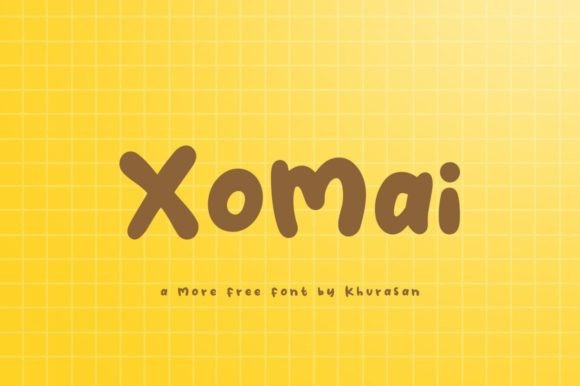
Xomai falls into the Script Amp category of fonts, but it distinguishes itself through a contemporary structure. Unlike traditional calligraphy that can feel dated or overly formal, Xomai possesses a relaxed, modern flow. The strokes are confident and fluid, suggesting a human touch while maintaining enough geometric consistency to remain legible at various sizes. This balance is critical for business branding. A font that is too messy looks unprofessional on a product label, while one that is too rigid lacks the warmth customers expect from independent creators.
The mood of this typeface is inherently welcoming and boutique-style. It evokes feelings of craftsmanship, care, and attention to detail. Whether you are selling handmade ceramics, offering life coaching services, or running a specialty coffee shop, the visual language of Xomai aligns with brands that prioritize quality and personal connection. It acts as a visual shorthand for "handmade" or "curated," helping to justify premium pricing by elevating the perceived value of your offerings through thoughtful design assets.
Practical Applications Across Business Touchpoints
Versatility is key when selecting a primary display font for a growing business. You need a typeface that performs well in both digital and print environments. Xomai excels in several specific applications where standard sans serif fonts might feel too corporate or generic.
- Product Packaging and Labels: For beauty products, candles, or artisanal foods, Xomai works beautifully as the primary product name on labels. Its handwritten nature suggests organic ingredients or small-batch production. Ensure you test the font at actual print size; while it is legible, intricate scripts can sometimes lose definition on textured paper or matte finishes.
- Social Media Graphics: On platforms like Instagram and Pinterest, stopping the scroll is essential. Use Xomai for headline overlays on quotes, announcements, or promotional banners. The high contrast between the thick and thin strokes makes it readable against photographic backgrounds, provided there is sufficient negative space or a subtle overlay behind the text.
- Logo Design and Wordmarks: As a standalone logotype, Xomai offers a custom-lettered look without the expense of hiring a lettering artist. It is particularly effective for businesses with shorter names. If your business name is long, consider using Xomai for just the first word or a key descriptor, pairing it with a simpler typeface for the rest.
- Customer Experience Materials: Thank-you cards, invoice headers, and menu titles benefit from this font’s warmth. In a café setting, using Xomai for daily specials or signature drink names creates a cohesive experience that extends from your signage to the cup sleeve.
Strategic Font Pairing for Readability
While Xomai is a stunning display font, it should rarely be used for body copy. To maintain a professional brand identity, you must pair it with typefaces designed for extended reading. Effective font pairing creates hierarchy and ensures your marketing materials are functional, not just decorative.
For a clean, modern aesthetic, pair Xomai with a geometric sans serif font. The simplicity of a sans serif provides a neutral canvas that allows the expressive curves of the script to shine without competing for attention. This combination works exceptionally well for tech-adjacent creative businesses, modern boutiques, and minimalist lifestyle brands. Alternatively, pairing Xomai with a classic serif font can evoke a more traditional, heritage feel. This approach suits bakeries, florists, and luxury service providers who want to blend nostalgia with contemporary style.
When designing business cards or website hero sections, use Xomai strictly for headlines, subheads, or accent elements. Keep your contact information, product descriptions, and legal disclaimers in a highly legible supporting typeface. This distinction guides the customer’s eye and ensures that vital information is never lost in translation due to stylistic choices.
Testing and Implementation Best Practices
Before committing Xomai to your entire brand identity system, conduct practical testing. What looks elegant on a large desktop monitor may become illegible on a mobile screen or a 2-inch product sticker. Print out mockups of your labels and view them at arm's length. Check how the font renders on different devices and browsers if used in web design. Pay attention to kerning and spacing; because Xomai is a connected script, automatic tracking adjustments can sometimes break the natural flow of the letters. Manual tweaking is often necessary to achieve a seamless, custom appearance.
Consistency builds trust. Once you decide where Xomai fits in your typographic hierarchy, stick to those rules. If you use it for product names on your website, use it for product names on your packaging and social media templates. This repetition reinforces brand recognition. Customers should be able to identify your content instantly based on typography alone, even before they see your logo or color palette.
Navigating Licensing for Commercial Success
One of the most attractive aspects of Xomai is its availability as a freebie, but small business owners must exercise due diligence regarding licensing. Free does not always mean free for commercial use. Before incorporating this typeface into products for sale, paid client work, or monetized digital downloads, verify the specific license terms provided by the creator.
If the license permits personal use only, you will likely need to purchase a commercial license to use it legally for business purposes. Respecting intellectual property is a cornerstone of professional integrity. Furthermore, having a proper commercial license protects your business from potential legal issues down the line. Many font marketplaces offer affordable commercial tiers for small businesses, making it easy to stay compliant while supporting type designers. Always keep a record of your license agreement alongside your other business assets.
Ultimately, Xomai represents an opportunity to infuse your business with character and warmth. By applying it strategically—focusing on readability, intentional pairing, and proper licensing—you can transform a simple handwritten font into a powerful tool for building a recognizable and trustworthy brand. Typography is more than decoration; it is a fundamental component of your business strategy that speaks directly to your ideal customer.